Permits and parking rules for Winchmore Hill removals (Enfield)
Posted on 30/06/2026
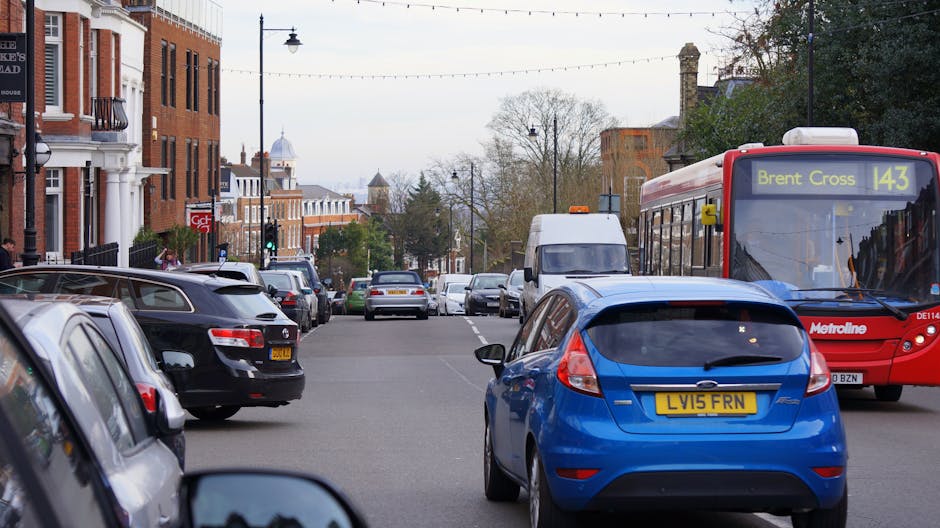
If you are planning a move in Winchmore Hill, the van size is only half the story. The other half is parking. Bays, yellow lines, narrow residential streets, shared forecourts, controlled parking zones, and the odd awkward corner can turn a straightforward removal into a small logistical puzzle. That is exactly why understanding Permits and parking rules for Winchmore Hill removals (Enfield) matters before moving day arrives.
Get the parking side wrong and everything slows down. Crews have to carry furniture further, lift heavier for longer, and work around traffic or enforcement worries. Get it right and the whole day feels calmer. A little planning goes a long way here, honestly. In the quieter streets around Winchmore Hill it may look simple at first glance, but the practical details can still catch people out.
This guide breaks down what you actually need to think about, how parking arrangements usually work, and how to avoid the most common moving-day headaches. It is written for real people doing a real move, not just for box-ticking. If you want the move itself to run smoothly too, it can help to pair this with advice from how to pack and move house with ease and efficiency and a sensible decluttering plan before moving.
Why Permits and parking rules for Winchmore Hill removals (Enfield) Matters
Parking is not just a convenience issue on a removal day; it affects time, cost, safety, and stress. In Winchmore Hill, some properties sit on busier stretches, some are tucked into residential roads with limited space, and many homes have on-street parking that may already be busy by breakfast time. If your removal van cannot stop close enough to the property, the team has to make repeated carries from further away. That means slower loading, extra effort, and more chances of bumping furniture or scuffing walls.
There is also the enforcement side. A van left in the wrong place can invite a penalty, and nobody wants their move day complicated by a ticket or a row with neighbours. If you are working to a tight schedule, that sort of disruption can ripple through the whole day. One missed parking detail in the morning and suddenly the afternoon is frantic. Been there, seen that, not ideal.
Local parking rules matter especially because removals often need temporary stopping room for loading and unloading, not just a normal parking space. A vehicle that is fine for everyday parking may still need a different arrangement when it is standing with doors open, ramps out, and movers carrying items in and out. That is why careful planning is a mark of a well-run move, not an unnecessary extra.
When people ask why this topic deserves so much attention, the answer is simple: because moving furniture is hard enough already. If you want fewer delays and less lifting over distance, the parking plan must work with the move, not against it. For larger or heavier items, the issue becomes even more sensitive; for example, a piano or an oversized sofa can make the carry distance matter a great deal. The guidance in piano moving pros and bulky item removal in Winchmore Hill shows how quickly access problems become loading problems.
How Permits and parking rules for Winchmore Hill removals (Enfield) Works
In practical terms, the rules usually come down to three things: where the van can legally stop, how long it can stay there, and whether the road or bay needs permission for a removal vehicle. The exact arrangement depends on the street, the time of day, and the type of parking control in place. That is the part many people underestimate. A street can look available at 7am, then fill up fast once commuters start leaving and local traffic builds.
For removals, the key question is whether your van can park close enough to the entrance without causing an obstruction. If there is a controlled bay, loading restriction, or any local waiting limit, you may need to plan around it rather than simply assuming the van can sit there all morning. Where parking is restricted, a temporary permit or prior arrangement may be necessary. In some cases, a moving team may suggest a shorter vehicle, an earlier arrival, or a staged unloading plan.
It also helps to think in layers:
- Vehicle access: Can the removal van physically reach the address without getting stuck on width, height, or turning issues?
- Stopping point: Is there space to stop at or near the property for safe loading and unloading?
- Time window: Are there restrictions on when the van can wait, idle, or occupy a bay?
- Neighbour impact: Will the vehicle block driveways, corners, or shared access routes?
On a practical level, moving companies often build their plan around the property type. A ground-floor house on a quieter road may need a simple bay plan, while a flat above a parade of shops or near a busier junction may need a more careful approach. The local street pattern around Winchmore Hill Broadway can be quite different from a calm side road near Grovelands Park, so one-size-fits-all advice rarely works. If your move is a flat move, the nuances can matter even more; Winchmore Hill Broadway removals and stairs service is a useful example of how access and timing often go hand in hand.
Remember, too, that parking rules affect both ends of the move. It is common to focus only on the departure address and then realise the new place has tighter access, awkward parking, or a busy road outside. That can be the moment when the day feels longer than it should. Not tragic, just annoying. And avoidable.
Key Benefits and Practical Advantages
Sorting the permit and parking side of a removal brings real benefits. This is not paperwork for paperwork's sake. It is the difference between a smooth operation and a day full of little interruptions.
- Less carrying distance: The closer the van can get, the fewer steps movers have to take with heavy items.
- Faster turnaround: Loading and unloading becomes more efficient when there is a legal, practical stopping place.
- Lower risk of damage: Shorter carries mean fewer chances to knock walls, doors, banisters, or parked cars.
- Reduced stress: A parking plan removes that constant low-level worry about tickets, complaints, or sudden obstruction.
- Better team coordination: Crews can work in a steady rhythm instead of improvising around traffic.
There is also a trust element if you are hiring movers. When a company asks sensible questions about street layout, parking restrictions, and access, that is usually a good sign. It means they are thinking about the full job, not just the headline moving time. In our experience, that sort of detail saves a lot of faff later.
One small but important advantage is timing predictability. If a van has to park further away than expected, the first 20 minutes can disappear quickly. Multiply that by every sofa, mattress, wardrobe, and box, and the schedule slips. Good parking planning helps the day stay on track, which then helps the budget stay under control too. If you are comparing costs, the article on removal estimates and pricing explained is worth a look, because access issues often sit quietly behind the final figure.
Who This Is For and When It Makes Sense
Almost anyone moving in or out of Winchmore Hill should think about parking, but some people need to be extra careful. If you live on a road with limited waiting space, in a flat, above shops, on a corner, or near a busy school run route, the chance of a parking snag goes up. That is just reality.
This topic is especially important for:
- House movers dealing with larger vans and fuller loads
- Flat movers who may have stairs, shared entrances, or tight roadside space
- Office moves needing a more coordinated vehicle position and timing
- Student movers who may be moving at busy times with smaller windows
- Same-day moves where there is less time to sort access issues in advance
- Owners of bulky furniture such as wardrobes, pianos, freezers, or large sofas
If you are using a man and van service, the parking question may still be important, even if the vehicle is smaller. A compact van does not magically fix a no-stopping zone or a tight row of parked cars. It only gives you a little more flexibility. For some moves, that flexibility is enough. For others, not quite.
Let's face it: if your sofa barely fits round the staircase, the last thing you want is a van parked three houses away. The same goes for heavy items handled carefully, which is why many people review the advice in heavy object handling and moving beds and mattresses successfully before moving day.
Step-by-Step Guidance
If you want a simple way to handle this, start early and work backwards from the move date. A bit boring, maybe, but it works.
- Check the property's parking situation. Look at the street outside both addresses. Notice bay markings, yellow lines, loading areas, dropped kerbs, and whether a larger van could safely stop without blocking access.
- Measure the access risk. Ask yourself: can a removal van stop close enough for easy carrying? Is there enough room for doors to open? Is it a road where traffic builds fast?
- Confirm whether a permit or special arrangement is needed. Some roads or bays require permission to stop for loading or unloading. If you are not sure, assume you need to check rather than hope for the best.
- Give the removal company the full picture. Mention narrow entrances, stairs, parking bays, controlled streets, and any time restrictions. Small details make a big difference here.
- Plan the arrival time carefully. Early starts can help avoid commuter traffic and competition for spaces. Sometimes 8am is much easier than 10:30am. Sometimes not. It depends on the road, which is why local knowledge matters.
- Reserve a backup plan. If the preferred spot is unavailable, identify a second-best stop that is still legal and practical.
- Prepare a friendly note for neighbours if needed. Not essential everywhere, but a polite heads-up can smooth things over if the van needs space near a shared entrance.
- Do a final walk-through on the day. Check that the parking spot is clear, legal, and usable before unloading begins.
A small real-world example: if you are moving from a first-floor flat near a busier stretch and the only sensible stop is a short loading bay, the team may need to unload in stages and keep the van moving through the quickest possible cycle. In that case, good box labelling and a tidy load order matter as much as the parking itself. If you want that side of things sharpened up, take a look at preparing your house with a thorough pre-move cleaning and embrace a tranquil approach to moving house.
Expert Tips for Better Results
A few practical habits can make parking and permit planning much easier. None of them are flashy, but they save time.
- Use the van size wisely. Bigger is not always better if the street is tight. A more manoeuvrable vehicle can reduce parking pressure.
- Book the earliest sensible slot. Quieter roads are easier before the school run and commuting peaks. That first light-of-day period can be golden.
- Keep the load order efficient. Put the items needed first near the door. The less time the van is parked and open, the better.
- Label awkward items clearly. If a couch or freezer needs a specific route, the crew should know immediately. That avoids stop-start confusion.
- Think about both addresses. The old house might be fine, the new one might be the problem. Or the other way around.
- Have a phone to hand. If a parking issue appears at the last minute, fast communication makes a big difference.
Another good habit is to pair parking planning with the rest of your moving prep. If you declutter first, the job becomes smaller and the van load is easier to organise. If you pack well, the carry time shortens. If you think about storage in advance, you may even reduce the number of trips required. A bit of joined-up thinking, basically. The related guides on tackling clutter before moving and storing your freezer when not needed can help there.
One more tip that people forget: if you are moving into a street with residents' bays, make sure you know whether the space is actually available for a removal vehicle or whether it is restricted in some way. Guessing is risky. And no, a friendly smile at the traffic warden is not a strategy. Charming, perhaps. Effective? Less so.
Common Mistakes to Avoid
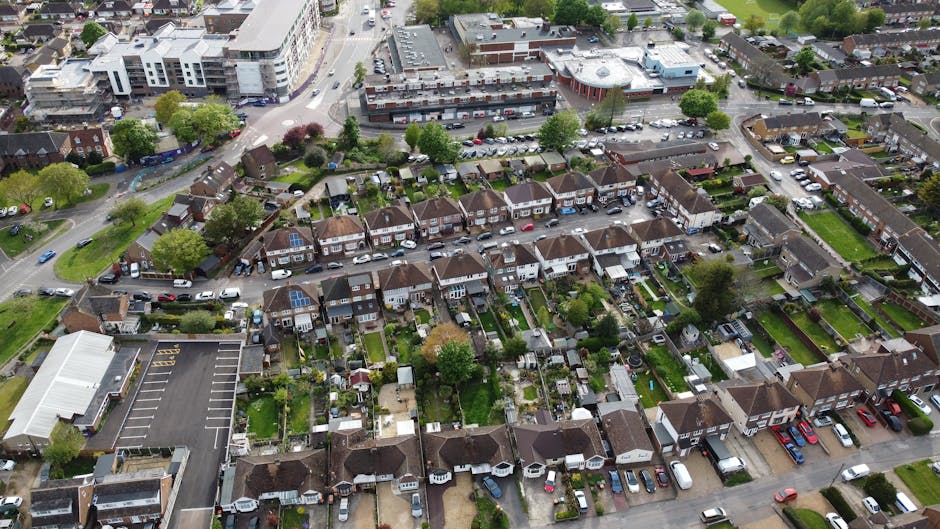
Most moving-day parking problems come from a handful of repeat mistakes. The good news is that they are all preventable if you think them through early.
- Assuming parking will be "fine on the day". This is the classic mistake. Streets change quickly, especially in London.
- Forgetting the new address. People often plan the old property and leave the arrival side to chance.
- Ignoring time restrictions. A bay might be usable in theory but not at the time your van arrives.
- Not telling movers about stairs or a long carry. Access problems affect crew size and timing.
- Blocking driveways or corners. Even if the van is only there for a minute, that can create tension with neighbours or create a safety issue.
- Leaving the paperwork until the last minute. If a permit is needed, last-minute requests can create stress you do not need.
Another common issue is overestimating how easy a small van will make things. Sure, a smaller vehicle may help with manoeuvring, but it may also mean more trips if the load is not planned well. On balance, the right choice depends on the property, the street, and the items being moved. There is no magic answer. If you are unsure, it is usually better to discuss the access first and let the logistics shape the vehicle choice.
For especially awkward items, such as wardrobes, sofas, fridges, and pianos, the parking spot can determine whether the item can be carried safely in one go or whether the team has to break the process into stages. That is where bulky item removal in Winchmore Hill becomes a useful reference point.
Tools, Resources and Recommendations
You do not need a complicated toolkit to get this right. A few simple resources are enough.
- A street view of both addresses: Useful for checking bay markings, width, and turning space.
- Basic measurements: Width of doors, stairways, and the distance from parking space to entrance.
- A written move plan: Even a simple note on your phone helps keep parking details, contact numbers, and timings together.
- Boxes and labels: Good packing makes parking decisions more efficient because the job at kerbside moves faster.
- Experienced movers: A local crew that understands local streets can help you avoid the obvious mistakes.
If your move also involves storage, it may make sense to split the work into phases. For example, you might move the larger furniture first and store the rest for a few days or weeks. That can reduce pressure on the parking plan, especially if your new place has limited access. The page on storage in Winchmore Hill is relevant if you are weighing that option, and sofa preservation and long-term storage offers helpful practical context.
It is also sensible to keep paperwork tidy. Quote details, insurance notes, and access instructions should be easy to find. A phone note is fine. A paper folder is fine too. What matters is not losing the one bit of information that makes the day run smoothly. Simple, but very often overlooked.
Law, Compliance, Standards, or Best Practice
When parking a removal van, the key principle is straightforward: use lawful parking arrangements and do not create unnecessary obstruction or risk. In London, that means paying close attention to local restrictions, road markings, bay times, and any loading limitations that apply to the street. It is always safest to treat unclear parking as restricted until you have confirmed otherwise.
Best practice is to avoid blocking driveways, entrances, pedestrian routes, or junction visibility. That matters not just for compliance, but for safety. A removal team carrying a mattress across a pavement or around a badly parked van can create risk for everyone nearby. If you are responsible for arranging the move, you have a duty to think about access in a sensible, practical way.
Professional removal companies should also work in line with normal industry expectations for safe lifting, vehicle positioning, and risk awareness. That includes planning the carrying distance, using suitable equipment, and adjusting the crew's approach to the site conditions. If you want a sense of how a responsible operator thinks about the job, the site's health and safety policy and insurance and safety information are relevant background reading.
One practical note: compliance is not just about avoiding penalties. It is also about keeping the move efficient and respectful to the local area. Winchmore Hill is a lived-in residential place, not a loading bay by default, so good manners and good planning tend to go together. That is the bit people remember.
Options, Methods, or Comparison Table
Different moves need different parking approaches. Here is a quick comparison to help you decide what fits your situation best.
| Parking approach | Best for | Pros | Watch-outs |
|---|---|---|---|
| Standard roadside stop | Quiet residential streets with space | Simple, quick, low friction | May still need checking for restrictions |
| Loading bay arrangement | Short loading/unloading windows | Closer access, efficient handover | Time-limited and sometimes tightly controlled |
| Temporary permit or prior arrangement | Restricted streets or complex access | More certainty, fewer surprises | Needs planning and coordination in advance |
| Small van / shuttle-style approach | Tight roads or awkward turns | Easier manoeuvring, useful on narrow streets | May require more trips and tighter scheduling |
In plain English, there is no perfect option for every address. The right choice depends on how busy the road is, what you are moving, and how much room the vehicle will have to work safely. For a lot of house moves, a standard roadside stop is enough. For flats, office moves, and bulky items, it often is not. That is where a better plan pays off.
Same-day moves are a special case because they allow less room for error. If you are moving urgently, it is worth reading urgent van hire in Winchmore Hill tonight and the checklist for avoiding hidden fees in removal quotes so you are not surprised by access-related extras.
Case Study or Real-World Example
Here is a simple example from a typical Winchmore Hill move. A family was leaving a first-floor flat with a sofa, mattress, dining table, and several boxes. The old property sat on a road with limited space and regular passing traffic. The new property had better access, but the move had to start at the old address, where parking was the real challenge.
Instead of hoping for the best, they did three things. First, they checked the street early in the week and identified the only realistic stopping point. Second, they told the moving team about the stairs, the narrow hallway, and the likely carry distance. Third, they packed the most awkward items first so the van could be loaded in a sensible order.
The result? The move still took effort, of course, but it stayed calm. No last-minute confusion, no unnecessary double handling, and no awkward conversation with a neighbour whose driveway was at risk. The crew could work steadily, the family knew what was happening, and the day finished without drama. A boring success story, maybe, but those are usually the best kind.
That kind of outcome is much more likely when the access and parking plan is treated as part of the move itself rather than an afterthought. It sounds obvious when written down, but on moving day people are often thinking about kettles, keys, and where the kettle actually went. Fair enough. But parking still matters.
Practical Checklist
Use this checklist in the days before the move. It will save you a headache or two.
- Check both addresses for road signs, bay markings, and waiting restrictions.
- Confirm whether your van can stop legally and safely close to the property.
- Ask whether a permit, loading allowance, or prior arrangement is needed.
- Tell the movers about stairs, tight turns, narrow entrances, and shared access.
- Decide whether a larger van or smaller van is more practical for the street.
- Label bulky items and keep them ready for quick loading.
- Keep contact numbers handy for the day itself.
- Prepare a backup parking option if the first choice is unavailable.
- Check the new address as carefully as the old one.
- Do one final visual check before unloading starts.
If you are still organising the wider move, it can help to review thorough pre-move cleaning, furniture removals in Winchmore Hill, and packing and boxes in Winchmore Hill so the day feels joined up rather than chaotic.
Conclusion
Parking is one of those moving-day details that looks small until it causes a problem. In Winchmore Hill, where street layouts and parking controls can vary quite a lot from one road to the next, the smartest approach is to plan access early, communicate clearly, and avoid assumptions. That way, your removal team spends less time hunting for a space and more time doing the real work.
Used properly, permits and parking planning reduce stress, save time, and make the whole move feel far more controlled. And to be fair, that is what most people want more than anything on moving day: not perfection, just a day that flows.
If you are comparing move options, thinking through access and parking now will help you choose the right van, the right timing, and the right level of support. A little preparation here really does make the rest of the day easier.
Get a free quote today and see how much you can save.
And if you are still in the middle of the planning fog, take a breath. Sort the parking, sort the route, sort the boxes. The rest tends to fall into place.