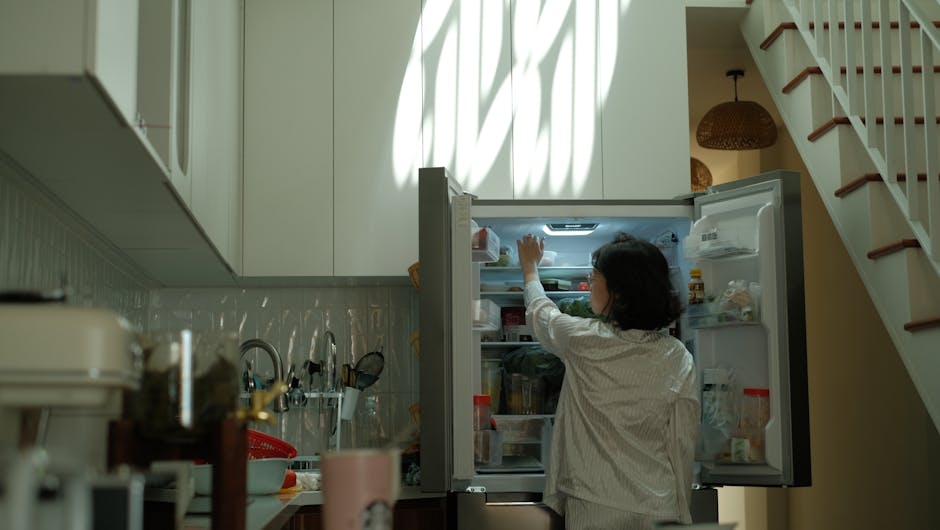
Bulky item removal in Winchmore Hill: sofas, wardrobes, fridges
Posted on 05/05/2026
If you have a sofa blocking the hallway, a wardrobe that will not budge, or a fridge you have no idea how to move without damage, you are not alone. Bulky item removal in Winchmore Hill: sofas, wardrobes, fridges is one of those jobs that looks simple right up until the lifting starts. Then it becomes a question of angles, door frames, stairwells, weight, and whether you really want to risk scratching the floor or straining your back at 7:30 on a Saturday morning.
This guide explains how bulky item removal works in practical terms, what to expect, and how to choose the right approach for your home, flat, or business premises in Winchmore Hill. You will also find useful safety advice, a comparison of removal options, and a checklist you can actually use. If you are clearing one item or several, the aim is the same: make the job calmer, safer, and a lot less chaotic. Truth be told, that alone is worth a lot.
Why Bulky item removal in Winchmore Hill: sofas, wardrobes, fridges Matters
Bulky furniture and appliances are awkward for a few simple reasons: they are heavy, hard to grip, and often bigger than the space they must pass through. A three-seater sofa can catch on a narrow landing. A wardrobe may need to be dismantled before it even gets near the front door. A fridge can be surprisingly difficult because of its size, weight distribution, and the need to protect the compressor and door seals while moving it.
In Winchmore Hill, many homes involve stairs, tight entrances, shared access, parking pressure, or a mix of period and newer properties. That means the job is rarely just "lift and go". The real challenge is planning the route, protecting the property, and moving the item without causing injury or damage. To be fair, that planning is often what separates a smooth removal from a miserable afternoon.
There is also the disposal side. A bulky item is not the same as a black bag of household waste. Depending on the item and its condition, it may be suitable for reuse, recycling, or specialist disposal. That is why many people use a service that can handle collection, transport, and responsible onward handling in one go. If you are already thinking ahead to a bigger move, this sits naturally alongside furniture removals in Winchmore Hill and broader planning through removals in Winchmore Hill.
How Bulky item removal in Winchmore Hill: sofas, wardrobes, fridges Works
The process is usually straightforward from the customer's point of view, even if the lifting behind the scenes is anything but. A typical bulky item removal follows a sequence: enquiry, assessment, access check, collection, loading, transport, and disposal or delivery to the next destination.
First, the item is described clearly. For sofas, that means size, shape, whether it splits apart, and whether there are any awkward corners or recliners. For wardrobes, the key question is whether the unit can be dismantled safely. For fridges, the main point is whether it is empty, defrosted, and ready to move. A quick photo helps a lot. It saves guesswork, and guesswork is where little problems start.
On the day, the team will usually check access: stairs, lifts, parking distance, hallway width, and whether the item needs partial dismantling. Good movers bring the right approach, not just brute strength. That may include blankets, straps, trolleys, and protective covers, plus careful handling to avoid knocks against walls, bannisters, or floors. If the item is being moved as part of a larger relocation, a service like man with a van in Winchmore Hill can be a practical fit for lighter or shorter jobs, while larger moves may benefit from house removals in Winchmore Hill.
For fridges and freezers, there is an extra layer of care. They should usually be emptied first, and in many cases defrosted before transport if the schedule allows. That helps prevent leaks, smells, and unnecessary mess. If you are storing an appliance before reuse, the guidance in strategies for storing your freezer when not needed is especially relevant, and oddly reassuring too. Appliances can be a bit grumpy if handled badly.
Key Benefits and Practical Advantages
The obvious benefit is simple: you do not have to drag a heavy item through your home and hope for the best. But the real value goes a bit further than that.
- Less risk of injury: sofas, wardrobes, and fridges can cause back strain, crushed fingers, twisted ankles, and general regret if lifted badly.
- Less damage to the property: walls, floors, paintwork, and banisters are all vulnerable during a tight move.
- Faster clearance: a planned removal avoids the stop-start chaos of trying to recruit a neighbour and then realising the item will not fit through the door.
- Better disposal outcomes: reusable items can be diverted away from landfill where appropriate, and recyclable components can be handled more thoughtfully.
- Reduced stress: once the heavy thing is gone, the room feels different. Lighter, somehow. More usable.
There is also a practical advantage when the bulky item is part of a wider declutter. If you are clearing a property before sale, rent, or a renovation, it is often efficient to combine it with a general pre-move tidy. A useful starting point is tackling clutter before moving, which can help you decide what stays, what goes, and what may need temporary storage.
Another benefit, often overlooked, is timing. Many people realise they need a bulky item removed the same week they need to hand back keys or clear a room for delivery. In those moments, same-day or next-day support can be a relief. Not glamorous, just useful. That is why same-day removals in Winchmore Hill can be a smart option when time is tight.
Who This Is For and When It Makes Sense
This kind of service suits a wide mix of people, and it is not only for full house moves. In practice, bulky item removal is useful if you are:
- replacing a sofa and need the old one gone before the new one arrives
- clearing a wardrobe from a bedroom, loft room, or flat with narrow access
- disposing of a fridge or freezer that no longer works
- preparing a rental property or student flat for check-out
- refreshing an office or shared workspace
- downsizing and removing furniture that will not be taken to the next home
Students, tenants, landlords, homeowners, and small businesses all run into this problem. A student flat in Winchmore Hill may have one wardrobe and one worn sofa to remove; a family house may have several large items that need lifting out in sequence. The job changes, but the basic challenge stays the same.
If you are a tenant, it often helps to plan around move-out dates and final cleaning. That way, you do not end up cleaning around a fridge or trying to vacuum under a sofa that should have gone yesterday. If you need to coordinate a larger move, flat removals in Winchmore Hill and student removals in Winchmore Hill are both useful pages to explore.
And yes, sometimes the reason is simply emotional. Maybe the sofa has seen better days. Maybe the wardrobe is the last thing left from an old chapter. That happens more than people admit. No drama needed. Just a practical way to move on.
Step-by-Step Guidance
If you want the smoothest possible bulky item removal, a little preparation goes a long way. Here is a sensible step-by-step approach.
- Identify the item clearly. Measure the width, height, and depth, and note any fixed parts, drawers, glass panels, or cables.
- Check access routes. Look at door widths, stair turns, ceiling height, lifts, and any tight corners. That awkward bend halfway down the stairs matters more than you might think.
- Empty the item completely. Sofas should be checked for cushions and loose parts; wardrobes should be emptied; fridges should be cleared of food and shelves secured or removed where suitable.
- Decide whether dismantling is needed. Some wardrobes can be broken down safely. Some cannot. Forcing it is how panels crack and screws disappear into the carpet forever.
- Protect the property. Lay covers or blankets where needed, especially on hard floors and tight hallways.
- Prepare parking and timing. In parts of London, good access can make the difference between a neat collection and a long carry from the kerb.
- Confirm disposal or destination. Will it be reused, taken to storage, delivered elsewhere, or disposed of responsibly?
For people who prefer to handle the rest of the move in one organised sweep, it can be worth looking at removal services in Winchmore Hill alongside packing support from packing and boxes in Winchmore Hill. It sounds basic, but proper packing often saves more time than people expect.
If the item is especially awkward, or if you are unsure about lifting technique, it may be better to leave the heavy work to trained movers. The article on heavy object handling is a good reminder that a confident grip is not the same thing as a safe one.
Expert Tips for Better Results
Here are the practical details that tend to make a big difference.
For sofas
Take off removable cushions and feet if possible. This can reduce the overall footprint and make turns easier. If a sofa bed is involved, lock the mechanism closed before moving. Watch for loose staples, sharp frames, and fabric snagging on bannisters. If you are storing the sofa after removal, the guide on sofa preservation and long-term storage is worth a read.
For wardrobes
Empty every shelf and drawer first. It sounds obvious, yet wardrobes are notorious for hiding forgotten boxes, clothes, and a random charger from 2019. If possible, remove doors, mirrors, and loose fittings before moving. Labelling screws in a small bag saves time later. Tiny thing, huge payoff.
For fridges
Defrost where you can. Dry the interior thoroughly. Tape cords neatly. Keep doors secured so they do not swing open in transit. Fridges should generally stay upright unless a professional specifically advises otherwise for a short distance and controlled handling. The aim is not just to move it, but to move it in a way that protects the appliance.
For all bulky items
- wear sturdy shoes, not slip-ons
- clear pets and children out of the path
- use gloves if surfaces are rough or dusty
- measure twice, especially for stair turns
- avoid rushing at the final doorway, which is where damage often happens
A simple rule helps: if you are hesitating at the top of the stairs, stop and reassess. That pause is often the safest move. Literally.
Common Mistakes to Avoid
Most problems with bulky item removal are preventable. The trouble is, they tend to feel minor right up until they are not.
- Underestimating the size of the item: a sofa that looks manageable in the living room can be a nightmare at the hallway turn.
- Forgetting to empty the item: a wardrobe full of clothes is heavier than it looks, and a fridge with food in it is a recipe for mess.
- Ignoring access issues: stairs, low ceilings, garden gates, and narrow landings should be checked first, not halfway through the lift.
- Using the wrong vehicle: you do not want to find out the item is too long after you have already started loading.
- Not protecting surfaces: a quick scrape on a polished floor can become an expensive annoyance.
- Trying to force dismantling: some items come apart cleanly; others do not. A screwdriver is helpful, a crowbar and optimism less so.
One mistake people make with appliances is forgetting that a fridge or freezer may need time to settle after being moved. If you are planning storage or reinstallation, the fridge journey should be handled carefully from the start. Not fancy, just careful.
Another common issue is leaving the decision too late. The day before collection, everyone suddenly realises there is no parking space, the wardrobe still has bedding inside, and the sofa legs are nowhere to be found. Happens all the time, to be fair.
Tools, Resources and Recommendations
You do not need a van full of professional kit for every job, but a few useful items make a big difference if you are preparing the removal yourself.
| Item | Why it helps | Best for |
|---|---|---|
| Furniture blankets | Protect walls, floors, and item surfaces from scrapes | Sofas, wardrobes, white goods |
| Ratchet straps or strong ties | Keep loads stable during transport | Fridges, sofa sections, dismantled wardrobes |
| Trolley or sack truck | Reduces manual carrying on flat ground | Fridges and heavier units |
| Gloves with grip | Improve handling and protect hands | Any bulky item |
| Labels and bags for fixings | Stops screws and fittings getting lost | Wardrobes and modular furniture |
For anyone planning a broader move, it is worth reading how to pack and move house with ease and efficiency and embrace a tranquil approach to moving house. Both are helpful if you want the day to feel organised rather than messy. A calm move is not a myth. It just takes a bit of prep.
If you are weighing up whether to hire support, comparing a standalone van hire approach with a professional removal team can be useful. For some one-off items, a removal van in Winchmore Hill may fit the job. For heavier loads, multiple items, or awkward access, a more complete service is usually the safer bet.
Law, Compliance, Standards, or Best Practice
Bulky item removal sits in a practical area rather than a heavily regulated one for most householders, but there are still important expectations around safety and responsible handling. In plain English: do not dump items where they should not go, do not create hazards during collection, and do not put people at risk by guessing your way through a heavy lift.
Good practice usually includes:
- checking that items are safe to move before lifting begins
- using suitable equipment for the load and access conditions
- handling appliances in a way that reduces spill, breakage, or damage
- keeping pathways clear and avoiding blocked exits
- disposing of or recycling items through appropriate channels where possible
It is also sensible to consider the removal company's public-facing policies and service terms before booking. Pages such as health and safety policy, insurance and safety, and recycling and sustainability can help you understand the standards a provider works to. That does not guarantee perfection, of course, but it does show whether they take the basics seriously.
For transparency on service terms and payment expectations, useful supporting pages include pricing and quotes, payment and security, and terms and conditions. That paperwork stuff is not thrilling, but it prevents misunderstandings later.
Options, Methods, or Comparison Table
There are a few ways to handle bulky item removal, and the best one depends on the item, access, urgency, and how much heavy lifting you want to do yourself.
| Method | Best for | Pros | Watch-outs |
|---|---|---|---|
| DIY removal | Very small or light bulky items | Lower direct cost, flexible timing | Higher injury risk, property damage, vehicle issues |
| Man and van support | Single items, short moves, flexible collections | Practical, often quick, good for mixed loads | May not suit very heavy or difficult items without help |
| Full removal service | Multiple items, stairs, awkward access, larger clearances | More hands, better handling, less stress | Usually costs more than a basic carry-and-go solution |
| Storage first, removal later | Staged moves, home refreshes, downsizing | More time to decide what stays | Extra coordination needed |
If the item is large but still worth keeping, storage can be a useful middle step. For that route, storage in Winchmore Hill may be worth considering, especially during a renovation or between tenancies. It can buy you breathing room. Sometimes that is exactly what you need.
Case Study or Real-World Example
Here is a realistic scenario. A couple in Winchmore Hill are moving from a first-floor flat and need to remove a large corner sofa, a tall wardrobe, and an old fridge before handover. The sofa will not turn cleanly in the hallway. The wardrobe is too tall to leave assembled. The fridge needs to be emptied and dried first.
Instead of trying to do it all in one frantic burst, they break the job into stages. The wardrobe is dismantled the night before, with fixings bagged and labelled. The fridge is emptied, defrosted, and wiped down. The sofa cushions are removed and the path to the front door is cleared. On the day, the movers assess access, protect the floor near the entrance, and handle the awkward turns one at a time.
The result is not dramatic, just efficient. No scraped walls, no trapped fingers, no last-minute panic over whether the sofa will fit through the stairwell. And that is often the real success in bulky item removal: nothing goes wrong, so it feels almost boring. Which, honestly, is ideal.
If this sounds familiar, the planning advice in preparing your house with a thorough pre-move cleaning can also help, because bulky-item removal and final cleaning often happen back to back. A tidy empty room is much easier to work with.
Practical Checklist
Use this checklist before collection day.
- Measure the item and the access route
- Confirm whether the item can be dismantled
- Empty sofas, wardrobes, and fridges completely
- Defrost and dry fridges or freezers where needed
- Remove loose shelves, doors, feet, or accessories if appropriate
- Clear hallways, stairs, and the doorstep
- Protect floors, walls, and corners
- Check parking or loading access in advance
- Decide whether the item is for reuse, storage, or disposal
- Keep important fixings in labelled bags
- Make sure children and pets are out of the way
- Have a contact number ready for the removal team
Expert summary: the best bulky item removal jobs are usually the least dramatic ones. A good plan, clear access, and sensible handling do most of the work before the lifting even starts. That is the bit people skip, and then wonder why the day feels hard. A little prep really does save a lot of effort.
Conclusion
Bulky item removal in Winchmore Hill: sofas, wardrobes, fridges is not just about shifting something heavy out of the way. It is about doing it safely, with the right preparation, and without turning your hallway into a battleground. Sofas need checking for size and access. Wardrobes often need dismantling. Fridges need special care, especially if they are being moved or stored. Get those details right and the whole job becomes much easier.
Whether you are clearing one room, planning a move, or replacing old furniture and appliances, the smartest approach is usually the calm one: measure first, clear the route, handle the item properly, and choose support that fits the job. It saves time, protects your home, and lowers the stress level more than people expect. And frankly, that matters on a busy day in London.
If you want help with the next step, compare your options carefully and choose the service that matches the item, the access, and your timeline. Get a free quote today and see how much you can save.
Sometimes the best part of getting rid of a bulky item is the space it leaves behind. A room can feel strangely peaceful once the old thing is gone.