Street closure permits for Winchmore Hill moves: what you need
Posted on 29/07/2026
If you are planning a move in Winchmore Hill and the van cannot simply pull up outside the door, you quickly run into a very practical question: do you need a street closure permit, or is parking management enough? For many households, the answer depends on the street, the size of the vehicle, the time of day, and how much space is available for loading. Street closure permits for Winchmore Hill moves: what you need is not just a paperwork issue; it can be the difference between a calm moving day and a stressful, stop-start mess with nowhere safe to stand a sofa.
This guide walks through the basics in plain English. You will see when a permit is likely to be needed, how the process usually works, what can go wrong, and how to plan your move so it stays legal, orderly, and far less chaotic. To be fair, a lot of people only think about this once the van is already on the way. Better not to leave it that late.
Why Street closure permits for Winchmore Hill moves: what you need Matters
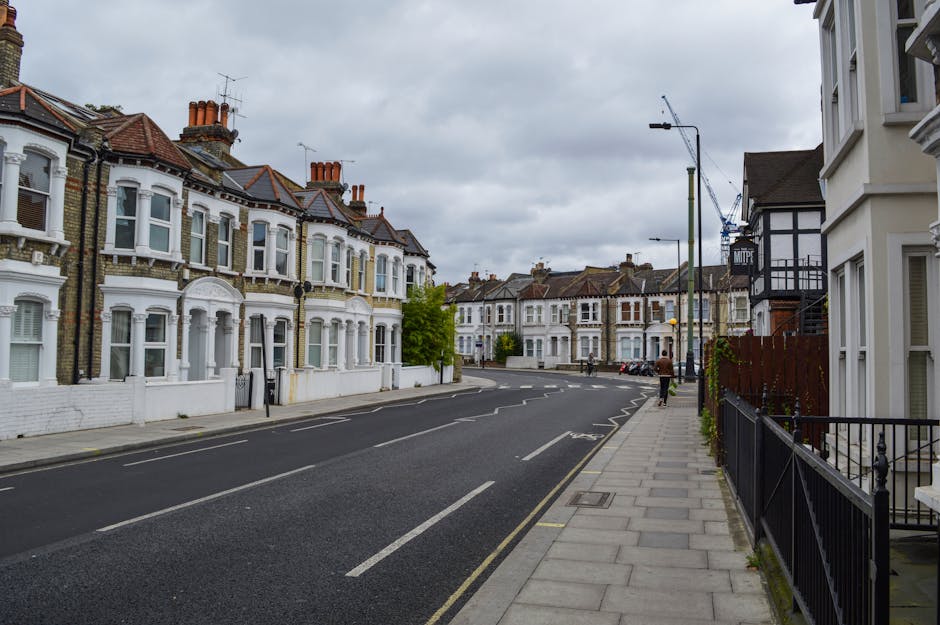
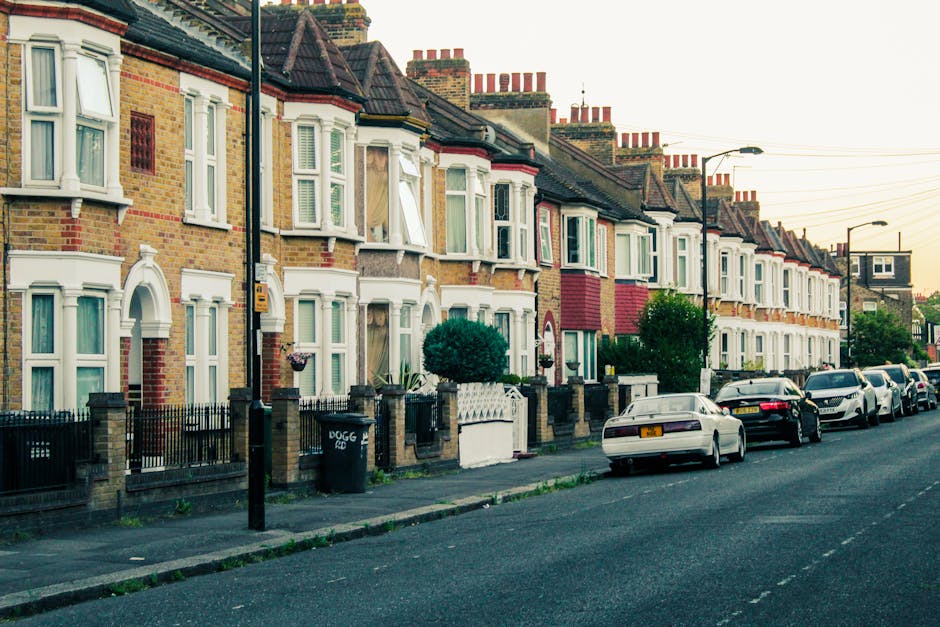
Winchmore Hill has plenty of roads that feel straightforward at a glance, yet a moving van can turn a quiet street into an awkward bottleneck very quickly. Cars are parked close together, driveways are narrow, and stair-heavy homes or flats often mean repeated trips with trolleys, boxes, and bulky furniture. If a vehicle blocks access or forces traffic to edge around it, you may need more than a casual roadside stop.
A street closure permit is generally about controlling access for a set period, so moving activity can happen safely. That might mean allowing a removal van to use part of the street, protecting pedestrians, or temporarily keeping through-traffic out of the immediate working area. For certain moves, especially on tighter residential roads, this is not a luxury. It is what lets the job happen without everyone improvising around each other.
There is also a neighbourly side to it. Nobody enjoys waking up to beeping horns, clipped mirrors, or a loader trying to balance a wardrobe while traffic crawls past. A proper permit plan reduces friction with neighbours, building managers, and drivers who just want to get on with their day. In our experience, that little bit of planning often makes the whole move feel more professional and less like a scramble.
Key takeaway: if your move affects the road itself, not just a single parking bay, you should think about a permit early rather than assuming the van can simply "find a spot".
How Street closure permits for Winchmore Hill moves: what you need Works
The exact process can vary depending on the street and the local authority involved, but the broad pattern is usually similar. You identify the issue, decide what type of permission is needed, submit the request in time, and make sure the moving crew knows the conditions before the van arrives. Simple in theory. A bit fiddly in practice, as these things often are.
Not every moving job needs a full street closure. Sometimes what people really need is a parking dispensation, a temporary suspension of parking controls, or permission for loading and unloading only. That distinction matters because the wrong request can delay the job, and moving day is not the time to discover you asked for the wrong thing.
Typical factors that influence the permit decision include:
- Whether the van will block a single vehicle bay or part of the carriageway
- Whether the road is narrow enough that traffic cannot pass safely
- Whether there are time-restricted parking controls nearby
- Whether your property access requires a cherry picker, hoist, or repeated vehicle access
- Whether the move takes place during busy school-run, commuter, or weekend periods
For planning purposes, it helps to treat the permit as part of the moving schedule, not an afterthought. If you are already organising packing, boxes, and dismantling furniture, fold the road plan into the same timeline. A useful companion read here is how to pack and move house with ease and efficiency, because the more organised your packing is, the less time the van needs to remain parked outside.
Key Benefits and Practical Advantages
The most obvious benefit is access. If the van can park where it needs to, loading is faster, safer, and much less tiring. That matters whether you are moving a one-bedroom flat, a family home, or an office with awkward equipment and file cabinets nobody seems to remember ordering.
There are several practical upsides:
- Safer lifting and handling: shorter carries from door to van reduce the chance of slips and strained backs.
- Less damage risk: furniture is carried fewer metres across pavements, kerbs, and tight hallways.
- Better time control: the crew can work more efficiently when they are not hunting for distant parking.
- Lower stress: neighbours, residents, and drivers are less likely to become part of the problem.
- Cleaner logistics: a well-planned move often needs fewer last-minute changes.
There is a hidden benefit too: permits force you to plan. That sounds slightly annoying, but it is actually useful. The permit process makes you think ahead about access, timing, and whether the property layout is going to cause trouble. People who do that usually end up with a smoother day overall.
If you are moving bulky items as well as boxes, the advantage becomes even clearer. A sofa or wardrobe carried a short, direct route is much easier to manage than one hauled across a street because the van had to park three houses away. For more on that side of things, see bulky item removal in Winchmore Hill: sofas, wardrobes and fridges.
Who This Is For and When It Makes Sense
Street closure arrangements are not only for huge moves. They can be useful for all sorts of ordinary local scenarios:
- Residents moving out of terraced homes on narrower roads
- Flat moves where the van must stay close to the entrance
- House moves involving large furniture or appliances
- Student moves with limited time and plenty of awkward box runs
- Office relocations where equipment needs quick, direct loading
- Same-day or short-notice moves where time on site is limited
It also makes sense when parking pressure is high. Winchmore Hill roads can feel very full at certain times, and even one large van can be enough to throw the flow off. If your street already has resident permits, timed restrictions, or tight corners, you should assume there may be an access issue until proven otherwise.
Truth be told, people often underestimate the time it takes to move out of a property with stairs, shared entrances, or awkward access. If the route from front door to van is long, a permit becomes more than administrative detail. It becomes a practical tool to keep the job under control.
For students in particular, timing matters. A fast turnaround is often the priority, and a permit can save a lot of faffing around with parking. If that sounds familiar, student removals in Winchmore Hill can be a useful reference point when you are planning a smaller but time-sensitive move.
Step-by-Step Guidance
Here is a sensible way to handle street access and permit planning without overcomplicating it.
- Check the street layout early. Look at the width of the road, the amount of parked cars, any yellow lines, and whether the van could safely pause for loading.
- Decide what type of permission is needed. It may be a full closure, a loading restriction, a parking suspension, or simply a permit for the van to stand in a specific place.
- Confirm timing. Think about move day, arrival time, and how long the crew will need on site. A 20-minute stop is very different from a half-day loading operation.
- Collect the key details. You will usually need the moving address, date, vehicle size, and likely duration. Keep them in one note; it saves headaches later.
- Build in a buffer. If the move is on a busy day or involves stairs, give yourself extra time. Things always take a bit longer than hoped, don't they?
- Coordinate with the removal team. Make sure the movers know exactly where to park, where to enter, and whether any cones, signage, or escorting is required.
- Prepare the property. Clear hallways, reserve lift time if needed, and keep the route from the front door open.
- Check the day before. A last-minute review can catch a permit reference, timing issue, or vehicle detail that was missed earlier.
If you want the move itself to run smoothly after the permit is sorted, it helps to pair that planning with strong packing habits. tackling clutter before moving is one of the best ways to reduce van time, and fewer items usually means fewer access problems. Simple, but effective.
Expert Tips for Better Results
A permit alone will not save a badly planned move. The real win comes from matching access planning with moving-day discipline. A few practical details make a noticeable difference.
- Keep the largest items closest to the exit. If the sofa, bed base, or wardrobe is buried behind ten boxes, the crew loses time rearranging the load order.
- Use measured timing. Morning moves often work better on residential streets because fewer vehicles are coming and going.
- Protect your route. Door frames, stair rails, and low walls can take a beating if people are rushing.
- Think about weather. A wet curb, icy path, or muddy front garden changes the whole pace of the job.
- Have someone on site who can make decisions. If the van needs to be moved a little, or the route changes slightly, you do not want everyone waiting for a phone call.
One small but helpful habit: photograph the street outside before move day. It gives you a clear visual record of parking conditions, kerb space, and any unusual obstructions. Nothing fancy. Just a quick note for yourself. It can be surprisingly useful when a parking plan needs checking at short notice.
And if your move includes awkward furniture, do not rely on brute force. The article on solo lifting and heavy object handling is a useful reminder that the best lift is the one you do safely, not the one you improvise with a wince and a prayer.
![A white sheet of paper taped to a rough brick wall with brown packing tape, displaying the heading 'take what you need' in bold black letters. The paper features several vertical columns with individual words such as 'hope,' 'passion,' 'courage,' 'happiness,' 'luck,' and 'money,' each possibly torn or pulled at the bottom edges, suggesting a shared or communal message. This signage is outside a property, indicating an informal or community-driven initiative related to moving or relocation, possibly encouraging support or sharing resources among people planning home moves. The environment appears outdoors, with natural lighting illuminating the wall and signage, which might be used as a notice or encouragement during the home relocation process facilitated by [COMPANY_NAME], or as part of a broader moving or packing activity near the property.](/pub/blogphoto/street-closure-permits-for-winchmore-hill-moves-what-you-need2.jpg)
Common Mistakes to Avoid
Most permit problems come from rushing, assuming, or mixing up different types of permission. A few errors turn up again and again.
- Leaving it too late: this is the big one. If you are booking a move for Friday, start the permit conversation well before Thursday afternoon.
- Assuming a van can just stop anywhere: a road may look workable until another car, bin, or resident blocks the only realistic loading space.
- Requesting the wrong permission: a parking suspension is not the same thing as a street closure.
- Ignoring neighbours or building rules: a permit may handle the road, but it may not solve concierge, access, or estate management rules.
- Forgetting the vehicle size: a small van and a long wheelbase removal van are very different beasts.
- Not planning for return trips: if the crew must load in stages, the van needs to remain accessible longer than you first expected.
Another common slip is underestimating flat moves. Shared corridors, stairs, and entrance timings often slow things down. If that rings a bell, Winchmore Hill Broadway removals with flats and stairs is a good example of why access planning matters even when the property itself seems small.
Let's face it, no one enjoys a move where the van parks in the wrong place, someone gets irritated, and the sofa has to be carried an extra 80 metres. It happens. But it is usually avoidable.
Tools, Resources and Recommendations
You do not need a giant toolkit to manage permit planning well. A short, sensible checklist and a few practical aids are enough.
- Phone notes or a planning sheet: keep permit dates, names, access instructions, and vehicle details in one place.
- Tape measure: useful for checking whether bulky furniture will fit through doors, halls, or around parked cars.
- Labels and markers: help keep the move efficient so the van is not waiting while someone hunts for the kettle box.
- Protective covers: handy for wet weather and for keeping upholstery and mattresses clean.
- Moving straps and a sack truck: useful for reducing the strain of repeated trips.
For a broader view of the moving process, it can help to read practical guidance on house packing and moving efficiency and packing and boxes in Winchmore Hill. Those pages support the same core aim: reducing wasted time, wasted effort, and avoidable chaos.
If you are weighing up help from movers rather than trying to handle everything yourself, it is worth understanding the difference between a basic man and van arrangement and a fuller removal service. That way, you can choose the setup that matches the access challenges on your street. You can compare options via man with a van in Winchmore Hill and removal services in Winchmore Hill.
Law, Compliance, Standards and Best Practice
When road access is involved, the safest approach is to assume the move must comply with local parking controls, traffic safety expectations, and any instructions issued for the street. Exact council processes can differ, so it is wise to verify the current requirements rather than relying on what someone did last year on a different road. These things change, and sometimes more often than people expect.
In practice, best behaviour looks like this:
- Do not obstruct traffic unless permission clearly allows it
- Use signage or cones only where permitted and only as instructed
- Keep pedestrian routes as clear as possible
- Plan loading so the van is on site for the shortest practical period
- Make sure the removal team understands any access restrictions before arrival
Health and safety matters here too. Heavy lifting near moving vehicles is not something to gloss over. The guidance in health and safety policy and insurance and safety pages can help you think about the basics of safe practice, even if your own move is relatively small.
For office moves, compliance becomes even more noticeable because timing, access, and business continuity all pull in different directions. If that is your situation, it may be worth looking at office removals in Winchmore Hill alongside your permit plan so the road side and the building side are coordinated.
Options, Methods, or Comparison Table
Not every move needs the same level of road control. Here is a simple comparison to help you decide what usually fits best.
| Access option | Best for | Strengths | Limitations |
|---|---|---|---|
| Standard roadside loading | Wide streets with low parking pressure | Quick and simple when space is available | Can fail badly if the street is busier than expected |
| Temporary parking suspension | Moves needing a reserved space for one vehicle | Helps the van stay close to the property | Does not always solve traffic flow issues |
| Street closure permit | Narrow roads, repeated heavy loading, or blocked access | Offers the most control and safest working space | Usually needs more planning and clear justification |
| Alternative off-street loading | Properties with drives, forecourts, or private access | Often the smoothest option | Not available for many Winchmore Hill homes |
The right option is usually the one that causes the least disruption while still giving the movers enough space to work safely. If you are unsure, compare the road outside your property against the amount of furniture and the length of the move. A small flat shift may get by with parking management. A larger family move often needs something more robust.
Case Study or Real-World Example
Picture a typical Winchmore Hill move on a residential street with cars parked on both sides. A family is leaving a first-floor flat with a bed, sofa, dining table, and several packed wardrobes. On paper, it looks manageable. In reality, the street is just wide enough for one moving van to stand without causing a problem, and the entrance sits near a bend where visibility is not brilliant.
The first instinct might be to "just get there early and see". That can work on very open roads, but here it would create delays. Instead, the move is planned so the vehicle can use a reserved section of the street for loading, the start time avoids peak traffic, and the larger items are brought out first. Boxes are stacked in labelled runs, so the van is not waiting around while people rummage for paperwork or chargers.
The result is calm enough. Not glamorous, not dramatic. Just efficient. The crew moves steadily, the neighbours are not boxed in, and the family avoids the all-too-common "where on earth can the van stop?" panic. That is the real value of getting the access plan right. It makes the day feel normal, and normal is underrated on moving day.
If your own move feels similar, especially with stairs and awkward furniture, you may also find the checklist for avoiding hidden fees on removal quotes useful, because access complications often affect the final shape of a quote.
Practical Checklist
Before move day, run through this list. It is simple, but it catches most of the easy-to-miss details.
- Confirm whether the street needs a closure permit, parking suspension, or loading arrangement
- Check the move date, arrival time, and expected loading duration
- Measure the route from property to van and note any tight corners or steps
- Tell the removal team about parking restrictions, one-way roads, or busier periods
- Prepare labels for the most important boxes
- Keep heavy or bulky items near the exit if possible
- Protect floors, door frames, and banisters
- Make sure someone is available on the day to answer questions
- Keep a backup plan for bad weather or blocked access
- Double-check any permit reference or confirmation before the van arrives
A lot of this is common sense, which is exactly why people forget it when they are busy. Keep the list close and you will save yourself a fair amount of shuffling about.
If your move involves storage between addresses, this can also affect the permit plan because some items may be moved in stages rather than all at once. For that, storage in Winchmore Hill can be a sensible part of a longer moving strategy.
Conclusion
Street closure permits for Winchmore Hill moves: what you need really comes down to one thing: planning the road access as carefully as the packing. If the van needs space to load safely, if the street is narrow, or if traffic flow would be affected, then the right permission can save time, reduce stress, and prevent a messy morning outside your front door.
Think of the permit as part of the moving toolkit. Not paperwork for the sake of it. Not a box to tick. A practical way to make the whole day smoother, safer, and easier on everyone involved. When the access plan is clear, the rest tends to fall into place a little more easily. And on moving day, that matters more than people admit.
For a move that feels organised from the first lift to the final box, it helps to pair good planning with the right support. Removals in Winchmore Hill can be a helpful next step if you want a more structured move with less guesswork.
Get a free quote today and see how much you can save.